


Kelvin Ong, 34, is a software engineer earning $11,000 a month. He spends $60,000 a year, holds $820,000 in share ETFs and wants to stop work at 40. A forum thread told him to save 25 times his spending, so his target has been $1.5 million. Then he notices that a retirement from 40 to 90 lasts 50 years.
The 4% rule behind that target comes from studies of American retirements lasting 30 years. A retiree takes 4% of the starting sum in the first year and raises that amount with inflation every year after.
At 50 years, the safe rate is an estimated 3.5%, so Kelvin needs about $1.71 million. The sections below follow how he checks the rule against his own plan.
Where Does The 4% Rule Come From?
Financial planner William Bengen published the study behind the rule in the Journal of Financial Planning in 1994. He tested every 30-year retirement in US market history from 1926, with portfolios of 50% to 75% shares and the rest in bonds.
A first-year withdrawal of 4%, raised each year with inflation, lasted at least 30 years in every period he tested. A 1998 study by Trinity University professors Philip Cooley, Carl Hubbard and Daniel Walz described withdrawal rates of 3% and 4% as "exceedingly conservative" for portfolios mostly in shares.
What Does The 4% Rule Assume?
The 4% figure holds only when the retirement matches the studies:
- A 30-year retirement. The studies asked whether the money lasted 30 years. They did not test 50 or 60.
- US market returns. The figures come from US shares and bonds from 1926. Singapore and global markets were not tested.
- Spending that rises only with inflation. The retiree takes the same real amount every year, whatever the markets do.
- A share-heavy portfolio. Between half and three quarters of the money is in shares throughout.
- Money that can run down to zero. In the worst periods, the sum lasted only about 30 years and left little behind.
Kelvin's portfolio is mostly shares and his spending is steady, so he meets three of the five. His retirement is 20 years longer than the studies tested, and he holds global ETFs.
Read Also: What Is Your FIRE Number In Singapore?
What Rate Fits A 50-Year Retirement?
A longer retirement has to last through more bad years, so each year can take a smaller share. The rates below are estimates. They treat 4% as the rate for 30 years and scale it by the length of retirement. The scale is a planning estimate, and no published study produced it.
| Years in retirement | Safe withdrawal rate | Sum needed for $60,000 a year |
|---|---|---|
| 30 | 4% | $1,500,000 |
| 40 | 3.7% | $1,621,622 |
| 45 | 3.6% | $1,666,667 |
| 50 (Kelvin) | 3.5% | $1,714,286 |
| 60 | 3.4% | $1,764,706 |
Source: Withdrawal rates scaled from 4% at 30 years
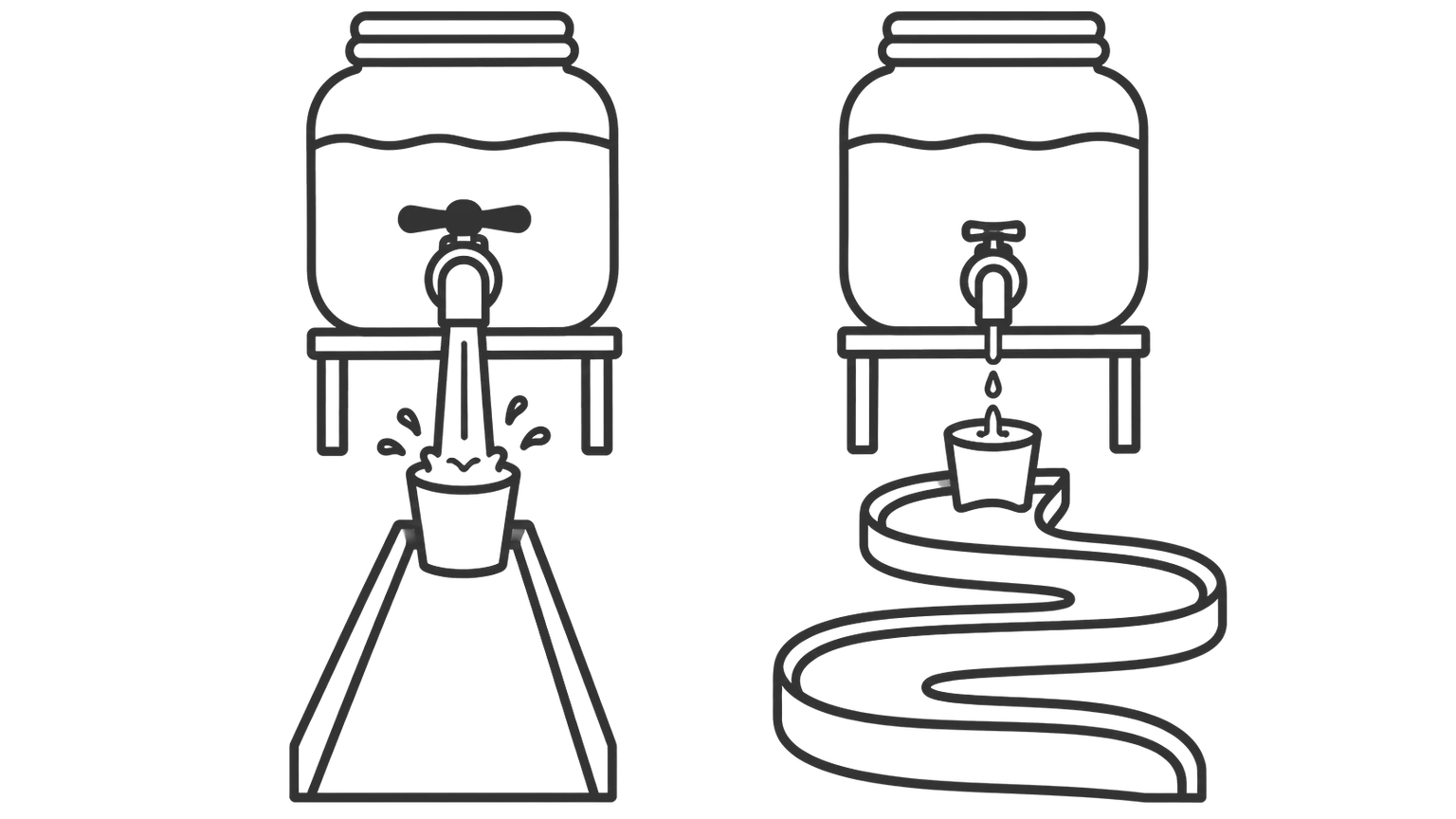
Kelvin's target rises from $1,500,000 to $1,714,286, an extra $214,286. A retirement twice as long does not need twice the money. Going from 30 years to 60 adds about $265,000, or about 18%, because returns earned in the later years pay for most of the extra time.
How Does CPF LIFE Change The Sum Needed?
According to the CPF Board (checked 28 September 2026), CPF LIFE pays a monthly sum from 65 for as long as the member lives. The 4% rule guards against outliving the money, and CPF LIFE removes that risk for the part of the spending it covers.
If Kelvin's CPF LIFE payouts cover a third of his $60,000 from 65, his invested sum carries $40,000 a year from that age. The 3.5% rate matters most for his 25 years between 40 and 65, when the invested sum pays everything.
Read Also: CPF LIFE Payouts In 2026: How Much Each Plan Pays
Does Tax Change His Withdrawals?
According to the Inland Revenue Authority of Singapore (IRAS), gains from selling shares are generally not taxed for individuals, and neither are most dividends (both checked 28 September 2026). Withdrawals from the Supplementary Retirement Scheme (SRS) are different. Half of each withdrawal after the statutory retirement age is taxable.
Kelvin holds his ETFs in a cash brokerage account, so his $60,000 a year is drawn without tax. A household that holds its retirement money in SRS has to withdraw more than it spends to cover the tax, so its sum has to be larger at the same withdrawal rate.
Read Also: How Much Tax Do You Pay When Withdrawing From Your SRS Account?
Read Also: Find Your Own Sustainable Stopping Age In Cashmere Pocket
Which Rate Did Kelvin Plan On?
Kelvin takes home $9,400 a month after $1,600 of employee CPF, spends $5,000 and saves $4,400, or 12 × $4,400 = $52,800 a year. He plans on 3.5% and moves his target to $1,714,286. The extra $214,286 equals about four more years of saving ($214,286 ÷ $52,800 = 4.1), before any investment returns, so he keeps 40 as the age at which he reviews the plan.
The 4% rule fits a household that stops at about 60, plans to about 90 and holds a portfolio mostly in shares, and 25 times annual spending is a fair starting estimate there. A household that stops in its 40s should plan on about 3.5%, and the rate for any household also depends on how much of its spending CPF LIFE, rent or part-time work covers after it stops.